
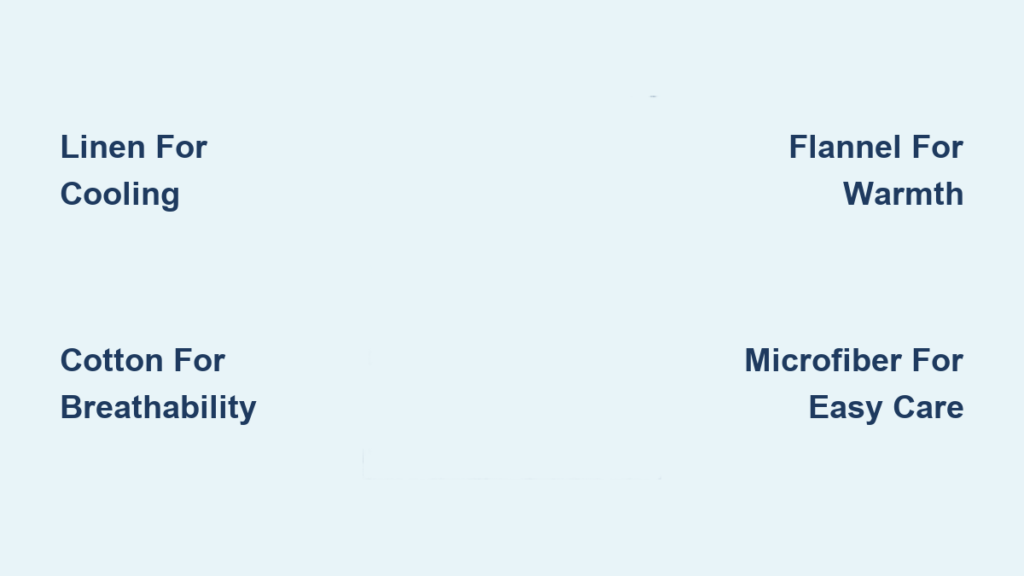
Selecting the right bedspread material changes how your bedroom feels and functions every single night. From cooling linen to warm flannel, the types of bedspread material you choose directly impact your sleep temperature and comfort level.
This guide details every major fabric option so you can match your specific needs for warmth, style, and easy care. You will learn exactly which fiber solves your personal sleep challenges.
Natural Fiber Options for Breathable Comfort

Natural fibers remain the top choice for sleepers who prioritize airflow and softness. These materials come from plants or animals and offer distinct benefits for different climates.
Cotton Varieties and Their Unique Benefits
Cotton stands as the most versatile option because it adapts well to various weaving techniques. You can find it in weights ranging from light summer sheets to heavy winter spreads.
- Egyptian Cotton: Features long-staple fibers that create a smooth and strong yarn for luxury bedding.
- Pima and Supima: These extra-long-staple varieties resist pilling while maintaining exceptional softness over time.
- Organic Cotton: Grown without synthetic pesticides, making it ideal for sensitive skin and eco-conscious buyers.
Cotton Weaves That Change Feel:
* Sateen: Uses a tight satin weave to give cotton a subtle sheen and buttery hand.
* Percale: Offers a crisp, cool, and matte finish perfect for hot sleepers.
* Flannel: A brushed cotton with a napped finish that traps heat for winter warmth.
* Matelassé: A quilted-look cotton weave adding texture and dimension to coverlets.
Pro Tip: Look for a thread count between 200 and 400 for cotton bedspreads since higher numbers do not always mean better quality if the fiber is poor.
Linen and Hemp for Durability
Linen and hemp provide strength and moisture-wicking properties that suit warm climates best. These plant-based fibers get softer with every wash cycle.
- Linen: Derived from flax, this fabric absorbs moisture well and offers a relaxed, rustic elegance despite wrinkling easily.
- Hemp: Similar to linen in durability, this fiber resists mold and UV damage while often blending with others for softness.
Market data shows linen fabrics like Adele Linen retail around $9.98 per yard, while premium options like Alhambra Linen reach $17.98. These price points reflect the quality of the weave and finish.
Best For: Hot sleepers, minimalist interiors, and sustainable homes needing durable fabrics.
Silk for Luxury and Temperature Control
Silk bedspreads provide a smooth surface with natural temperature regulation capabilities. This protein fiber feels cool in summer yet retains warmth during winter months.
- Uses: Commonly found in duvet covers or decorative throws for elegant bedrooms.
- Care: Requires gentle hand washing or dry cleaning, making it higher maintenance than cotton.
- Benefits: Naturally hypoallergenic and gentle on both skin and hair.
Market examples like “01370-T Ebony Brown Silk Fabric” retail near $13.98 per yard, making it an accessible luxury for accent pieces.
Ideal For: Elegant bedrooms, sensitive skin, and those seeking cool-to-the-touch comfort.
Wool and Down for Thermal Warmth
Wool and down play critical roles in thermal bedspreads even if they are less common as outer shell fabrics. They provide insulation without excessive weight.
- Wool: Naturally regulates temperature and wicks moisture, with fine micron wool soft enough for direct skin contact.
- Down: The fluffy undercoating from geese or ducks used in comforters for lightweight, high-loft insulation.
Ethical Note: Always look for “safe down” certifications to ensure products do not come from live-plucked birds.
Best For: Cold climates, winter bedding, and allergy sufferers when certified hypoallergenic.
Synthetic and Engineered Bedspread Fabrics
Synthetic materials deliver durability and affordability for busy households. These engineered fibers often outperform naturals in specific areas like stain resistance.
Polyester as a Durable Workhorse
Polyester dominates the affordable bedding market due to its resilience and ease of care. It accepts dye easily and maintains its shape over years of use.
- Features: Wrinkle-resistant, colorfast, quick-drying, and fully machine washable.
- Blends: Often mixed with cotton (e.g., 60% cotton / 40% polyester) to reduce wrinkling while keeping softness.
Drawbacks: Less breathable than natural fibers, which can trap heat and moisture against the body.
Best For: Kids’ rooms, guest beds, and low-maintenance homes needing frequent washing.
Acrylic as a Wool Alternative
Acrylic mimics the warmth and texture of wool without the high cost or demanding care requirements. It serves as an excellent substitute for traditional wool spreads.
- Benefits: Lightweight, fade-resistant in sunlight, and machine washable for easy upkeep.
- Uses: Often found in chenille or textured weaves for cozy, decorative spreads.
Ideal For: Allergy sufferers, pet-friendly homes, and durable everyday use in sun-exposed rooms.
Microfiber for Softness and Water Resistance
Microfiber consists of tightly woven synthetic fibers that mimic silk or high-thread-count cotton. It offers a smooth, supple surface with excellent drape.
- Feel: Smooth and silky hand with a naturally water-repellent quality.
- Performance: Highly durable, stain-resistant, and cost-effective compared to natural silks.
- Affordability: A budget-friendly alternative to Egyptian cotton or pure silk options.
Best Use: Duvet covers, budget-friendly luxury, and humid climates needing moisture resistance.
Specialty Weaves and Textured Finishes
The weaving technique often defines the look and feel more than the fiber itself. These specialty options add dimension and visual interest to your bedroom.
Chenille for Plush Texture
Chenille features a thick, soft pile that feels like a velvet cousin. It offers a rich, tactile surface perfect for adding warmth to a room.
- Fibers Used: Can be made from cotton, acrylic, rayon, or olefin depending on desired softness.
- Feel: Cozy and warm, making it great for winter or traditional décor styles.
- Care: May pill over time, so machine wash gently to preserve the pile.
Best For: Living room throws, vintage-style bedrooms, and adding tactile depth.
Bouclé and Fleece for Dimensional Comfort
These fabrics focus on unique surface textures that add visual and physical interest to bedding. They provide distinct sensory experiences.
- Bouclé: Features loop-threaded yarn creating a knotted, nubby texture for modern flair.
- Fleece: A synthetic pile fabric mimicking sheepskin that is exceptionally warm and soft.
Perfect For: Cozy layering, cold-weather beds, and sensory comfort needs.
Matelassé and Jacquard for Elegant Looks
Matelassé and jacquard weaves create structured, formal appearances without needing extra padding. They add sophistication through pattern rather than print.
- Matelassé: A quilted-appearing cotton weave with a puffy, padded look often used in coverlets.
- Jacquard: Intricate patterns woven directly into the fabric, including damask, brocade, and tapestry styles.
Design Tip: Jacquard and damask spreads add formality, making them ideal for master bedrooms or traditional spaces.
Patterned and Decorative Fabric Details
Embellishments and specific finishes enhance the visual appeal beyond the base fiber type. These details define the style of your bedspread.
Eyelet and Lace for Delicate Detailing
These open-weave fabrics create light and airy aesthetics suitable for specific decor themes. They add a romantic touch to any bedroom.
- Eyelet: Fabric with small embroidered holes that feels light and airy for spring.
- Lace: Ornamental, open-weave fabric often used on trim or overlays for decoration.
Best For: Romantic, cottage-core, or vintage aesthetics needing delicate touches.
Satin Finish and Embellishments
Finishes like satin create smooth surfaces, while appliqué and embroidery add artistic depth. These elements transform simple fabric into statement pieces.
- Satin Finish: A smooth, glossy surface created through finishing, distinct from cotton sateen weave.
- Appliqué and Embroidery: Fabric pieces or stitches added for decoration to add depth and artistry.
Use Case: Bridal suites, luxury hotels, and statement bedding requiring high visual impact.
How to Choose Material by Sleep Need

Matching your bedspread material to your lifestyle ensures maximum comfort and satisfaction. Consider your primary sleep challenges first.
Hot Sleepers Need Breathable Fabrics
You should prioritize high breathability and moisture-wicking capabilities if you sleep hot. These materials keep you dry and cool all night.
- Top Picks: Linen, cotton percale, organic cotton
- Why: High breathability and moisture-wicking keep you dry and cool.
- Avoid: Polyester, microfiber (can trap heat)
Cold Sleepers Need Warmth-Retaining Materials
Opt for materials that trap body heat and provide insulation if you often feel chilly. These fabrics create a warm microclimate around you.
- Top Picks: Flannel, fleece, wool, down-filled comforters
- Why: These materials trap body heat and provide insulation.
- Pro Tip: Layer a flannel duvet cover over a cotton sheet in winter for extra warmth.
Low-Maintenance Homes Need Easy Care
Busy households benefit from fabrics that resist wrinkles and dry quickly after washing. These materials save time on ironing and folding.
- Top Picks: Polyester, acrylic, microfiber
- Why: Machine washable, wrinkle-resistant, quick-drying.
- Bonus: Fade-resistant, making them great for sunlit rooms.
Allergy Sufferers Need Hypoallergenic Options
Select materials with low allergic reaction rates or synthetic fills if you have sensitivities. Avoiding natural allergens is key for restful sleep.
- Top Picks: Organic cotton, microfiber, synthetic fills
- Avoid: Down (unless certified hypoallergenic)
- Tip: Wash new bedding before use to remove any manufacturing residues.
Seasonal Switching Adapts to Weather
Rotating your bedspreads seasonally extends their lifespan and improves comfort year-round. Lighter fabrics work best in summer while heavier ones suit winter.
- Summer: Lightweight cotton, linen, eyelet
- Winter: Flannel, fleece, wool, heavy jacquard
- Spring/Fall: Sateen, matelassé, blended weaves
Expert Note: Rotate bedspreads seasonally to extend lifespan and improve comfort throughout the year.
Care Tips by Material Type

Maintaining your bedspread starts with knowing its specific fiber content and washing requirements. Proper care extends the life of your investment.
| Material | Washing | Drying | Ironing |
|---|---|---|---|
| Cotton | Machine wash warm | Tumble dry medium | Medium heat |
| Linen | Machine wash cool | Tumble dry low or line dry | High heat (while damp) |
| Silk | Hand wash or dry clean | Air dry only | Low heat with cloth barrier |
| Polyester | Machine wash warm | Tumble dry low | Low or no iron |
| Microfiber | Machine wash cool | Tumble dry low | Avoid high heat |
| Wool | Hand wash or dry clean | Lay flat to dry | Never machine dry |
Warning: High heat can melt synthetic fibers or shrink natural ones, so always check care labels first.
Frequently Asked Questions About Bedspread Materials
Which bedspread material is best for hot sleepers?
Linen and cotton percale are the best choices because they offer high breathability and moisture-wicking properties. These natural fibers allow air to circulate freely, keeping you cool throughout the night.
Are synthetic bedspread materials good for allergies?
Yes, synthetic fills and microfiber are often hypoallergenic alternatives to down or wool. They resist dust mites and do not contain animal dander that triggers allergic reactions in sensitive individuals.
How do I know if a cotton bedspread is high quality?
Look for long-staple varieties like Egyptian or Pima cotton with a thread count between 200 and 400. Higher thread counts are not always better if the fiber quality or weave type is poor.
Can I machine wash silk bedspreads at home?
Most silk bedspreads require gentle hand washing or professional dry cleaning to prevent damage. Machine washing can ruin the delicate protein fibers and remove the natural luster of the fabric.
What is the difference between matelassé and jacquard?
Matelassé is a specific type of jacquard weave that creates a quilted, puckered appearance without actual stitching. Jacquard is the broader category for any fabric with intricate patterns woven directly into the material.
Do wool bedspreads feel itchy against the skin?
Fine micron wool is soft enough for direct skin contact and does not feel itchy like coarse wool. Always check for “fine micron” labeling if you plan to use wool bedding without sheets.
Key Takeaways for Choosing Bedspread Material
Selecting the right types of bedspread material balances your need for comfort, durability, and style. Natural fibers like cotton and linen offer breathability, while synthetics like polyester provide easy care and affordability.
Your best choice depends on your specific sleep temperature and maintenance preferences. Invest in the right material to ensure your bedspread enhances your sleep season after season.